BASED ON TECHNOLOGY
Solar market segments include Residential, Commercial, and Utility-Scale applications; Photovoltaic (PV) and Concentrated Solar Power (CSP) technologies;
By Technology
This categorizes solar systems based on their energy conversion methods: Photovoltaic (PV) Systems: Systems that directly convert sunlight into electricity using solar cells. Concentrated Solar Power (CSP) Systems: Systems that use mirrors to concentrate sunlight to heat a fluid, which then drives turbines to generate electricity.

Solar Panels (PV Modules)
Capture sunlight and generate electricity.

Inverter
Converts DC electricity to AC electricity.

Mounting System
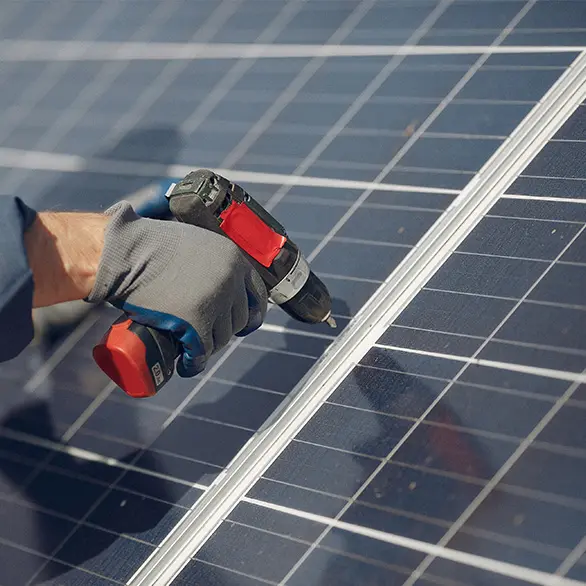
Secures the panels to the roof.

Batteries (for off-grid systems)
Store excess electricity.

Charge Controller (for off-grid systems)
Regulates the power flow to and from the batteries.
Photovoltaic (PV) Systems
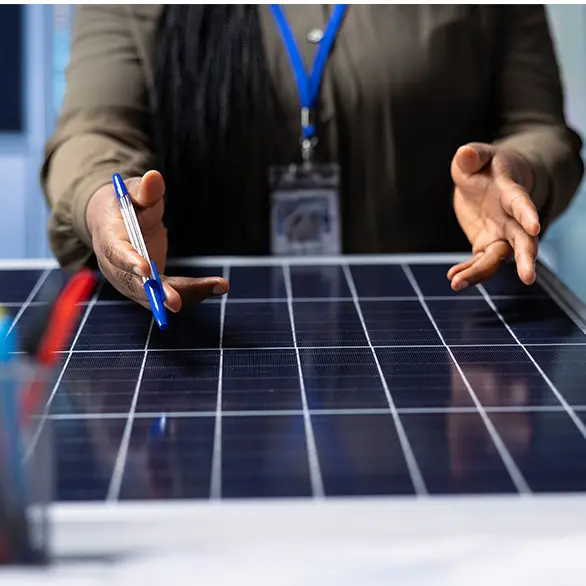
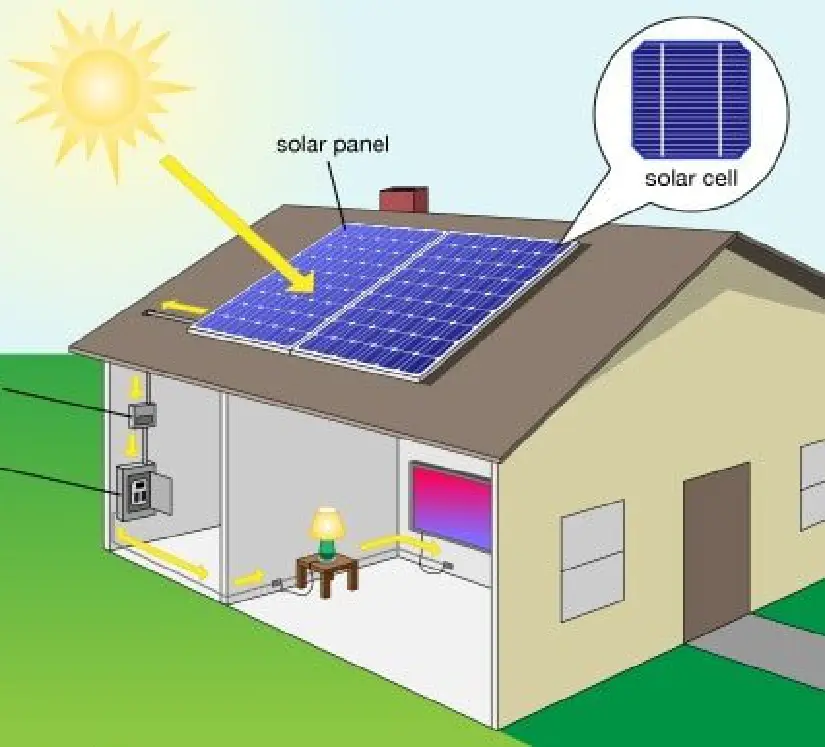
How it Works
- Sunlight Absorption : Solar panels are made of semiconductor materials that capture sunlight.
- Electricity Generation: When sunlight hits the panels, it generates direct current (DC) electricity.
- Inversion: A solar inverter then converts this DC electricity into alternating current (AC) electricity, which is the type used in homes.
- Power Usage/Storage : On-Grid Systems: The electricity is used in the home, with any excess power supplied to the public grid, potentially earning the homeowner credits via net metering.
- Off-Grid Systems: Excess power is stored in batteries for use at night or during cloudy days, allowing the system to function independently of the grid
What is solar heating?
Solar heating is a type of HVAC system that is becoming more and more common in homes. The system is offered in various models, all of them focused on generating significant savings in consumption, since it is powered by renewable energy such as solar rays, without neglecting comfort and well-being. Few things are more pleasant in cold weather than feeling the warmth of the sun’s rays coming through the windows and doors of our homes. When we talk about solar heating we refer, in broad terms, to the use of this solar energy to convert it into heat for the home in a systematic way.
There is not just one way to obtain its use. Thus, solar heating systems can be divided into two types, active and passive. While the former use different technologies to attract and transform the sun’s rays into heat for your home, the latter are based on an architectural design intended to make the most of the heat generated by the sun during the day.
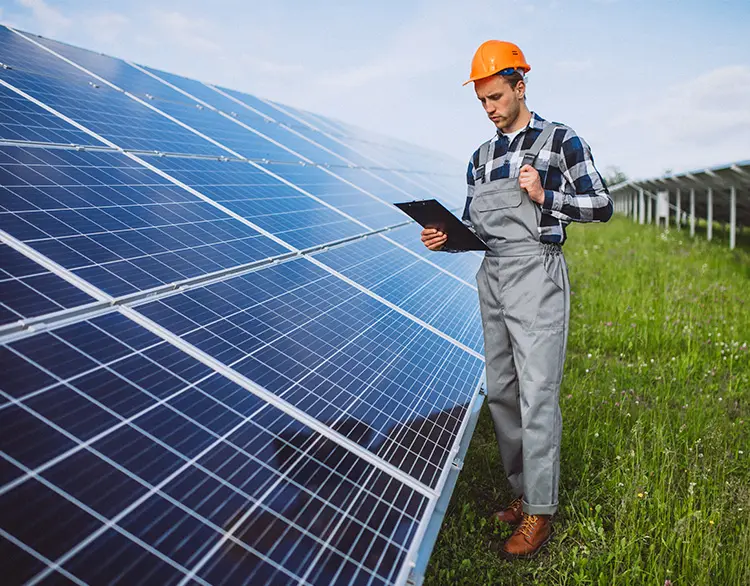
Currently, and increasingly, heating is one of the main applications that can be given to solar energy, either because the construction of properties is based on the premise that the design must be conditioned to the optimization of this energy source (passive systems), whether it is to activate devices that run on electricity or to power solar heating systems that start up with hot water (active systems).
Types of solar heating
Now let’s take a closer look at how the existing types of solar heating work:
Passive solar heating
It is capable of maintaining the temperature of a house without the need to turn on any of the traditional HVAC systems, thanks to its unique design and construction (orientation and location, quality materials, adequate insulation, air circulation, etc.). It requires an appropriate design and distribution to store solar energy in walls and floors and use it in times of need. The house heats itself, almost without human intervention and silently. It is a type of solar heating that can complement other systems and help reduce costs, or even, in some cases, be the only existing one. Thus, making use of passive solar heating reduces energy consumption by a high percentage, always depending on the circumstances. It should be noted that the most avant-garde architectural trends consider passive solar heating to be the future of heating and cooling. This type of heating is part of the so-called bioclimatic architecture, which bases the construction and design of its projects on the integration and adaptation to its environment, in order to make the best use of available resources, including solar energy.
Active solar heating
- Heating with photovoltaic solar energy. This type of HVAC system is powered by the electricity generated by photovoltaic solar panels, installed on roofs or rooftops, by capturing the radiation of the sun’s rays and converting it into electricity. Solar panels are composed of photovoltaic cells made of silicon, a material with high conductive properties. Aerothermal energy or heat pumps are some examples of solar heating powered by photovoltaic solar energy.
- Hybrid systems. A hybrid home heating system is one that combines at least two energy sources, such as solar and geothermal, to extract the maximum performance or the best characteristics of both and thus provide a high level of thermal comfort. Since it is a very versatile and flexible system, it is becoming the most popular choice when updating heating in older homes, but also as an alternative in new buildings that opt for renewable energies
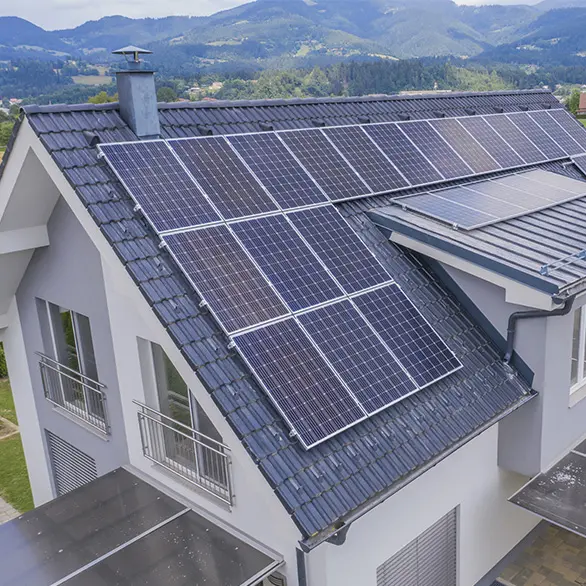
- Heating with solar thermal energy. Heating the home is one of the most common uses of solar thermal energy, which uses solar thermal panels, covered with transparent tempered and dark glass, to attract solar radiation and transform it into heat energy. There are two main types of solar thermal panels: those that allow the circulation of water through a circuit in the panel itself, without storing it; and those that do include a storage device for later use. The installation works with collectors that collect and concentrate heat to produce high temperatures. Among the most common types of heating with solar thermal energy we can point to solar radiators or underfloor heating. As we can see, the main differences between photovoltaic and thermal solar panels can be summarized by the type of energy obtained from the sun’s rays, the mode or operation to achieve this transformation, or the material from which the panels are made.
- Solar heating with hot air. This method of heating a house works by heating the air from the outside through a fan, which is installed on the roof or façade and then blown into the house. It is a very effective method for damp and cold homes, such as second homes that are often closed for long periods of time, as it creates warm, pleasant, and dry environments quickly, as well as helping to eliminate mold and odors. It can function as a primary heating system or as a backup to the primary heating system.

Quick Links
Works address
5th Floor 508 Office, S No 52, Baner Business Bay, Pashan - Sus Rd, Pune Banglore Highway Pashan Exit, behind Audi, off Mumbai, Mohan Nagar Co-Op Society, Baner, Pune, Maharashtra 411045
Phone
Sales
+917219005592
O&M
+917219005549
info@renewxpert.com

