BASED ON TYPE OF INSTALLATION
Solar market segments include Residential, Commercial, and Utility-Scale applications; Photovoltaic (PV) and Concentrated Solar Power (CSP) technologies;
By Type Of Installation
This refers to the physical location and structure of solar installations:
Rooftop Solar: Solar panels installed on the roofs of buildings, often for residential or commercial use.
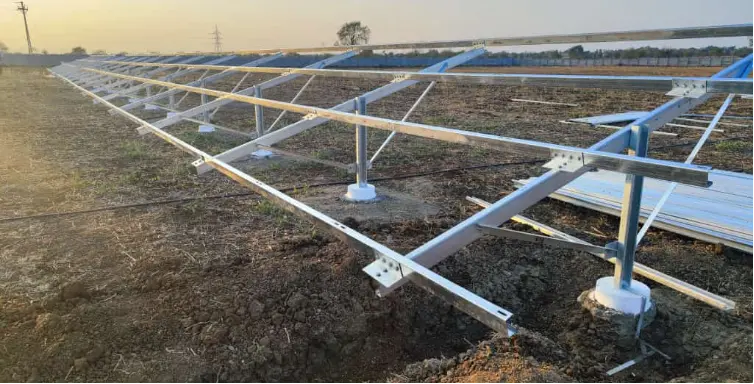
Ground-Mounted: Large solar arrays installed on the ground, primarily for utility-scale projects. ELEVATED / CARPORT
Floating Solar: Solar farms constructed on bodies of water, such as lakes or reservoirs.
Building-Integrated Photovoltaics (BIPV): Solar-generating materials integrated directly into building components like windows and facades.
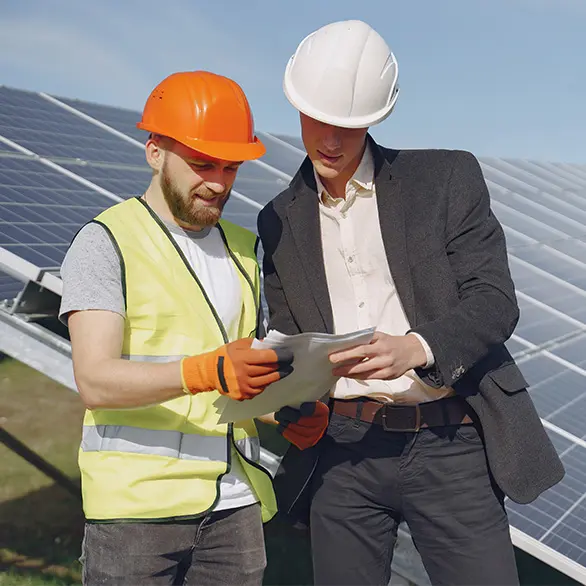
Roof Top SPVPP
“GRID CONNECTED SOLAR PHOTO VOLTAIC ROOF TOP POWER PLANTS IS A PROGRAM OF MINISTRY OF NEW RENEWABLE ENERGY(MNRE) NEW DELHI, UP TO CERTAIN CAPACITY AND LIMITS MNRE PROVIDES CENTRAL FINANCE ASSISTANCE TO THIS PROGRAM FOR THE RESIDENTIAL SEGMENT ONLY, OTHER THAN RESIDENTIAL THERE IS ACCELARATED TAX DEPRECIATION BENIFITS HAS BEEN GIVEN ALONG WITH TAX HOLIDAYS.
CENTRAL NODEL AGENCY MNRE HAS DESIGNED AND MADE THE POLICIES UNDER GRID CONNECTED ROOF TOP SOLAR POWER PLANT, ALL OVER INDIA, EVERY STATE HAS ITS OWN NODEL AGENCY FOR NEW RENEWABLE ENERGY EG MAHARASHTRA HAS, MEDA. GUJRATH HAS GEDA,…BUT IN MAHARASHTRA, TO CONTROL LOCAL POLICIES MERCE AND MSEDCL IS ALSO HAS THEIR RULES AND GUIDELINES, SO THIS IS A PROGRAM WHICH RUNS UNDER GOVENRNMENT POLICIES.”
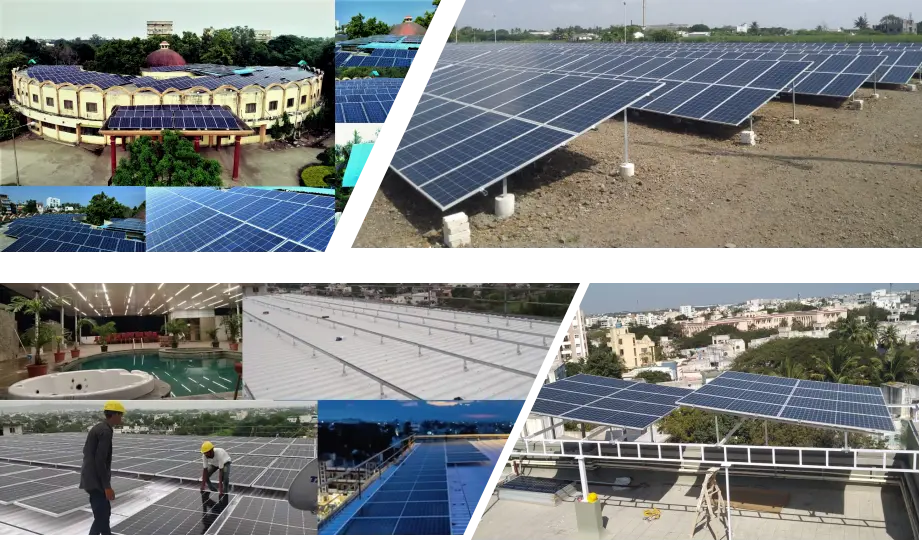
RCC DIRECT MOUNT TILTED ROOF TOP INSTALLATION
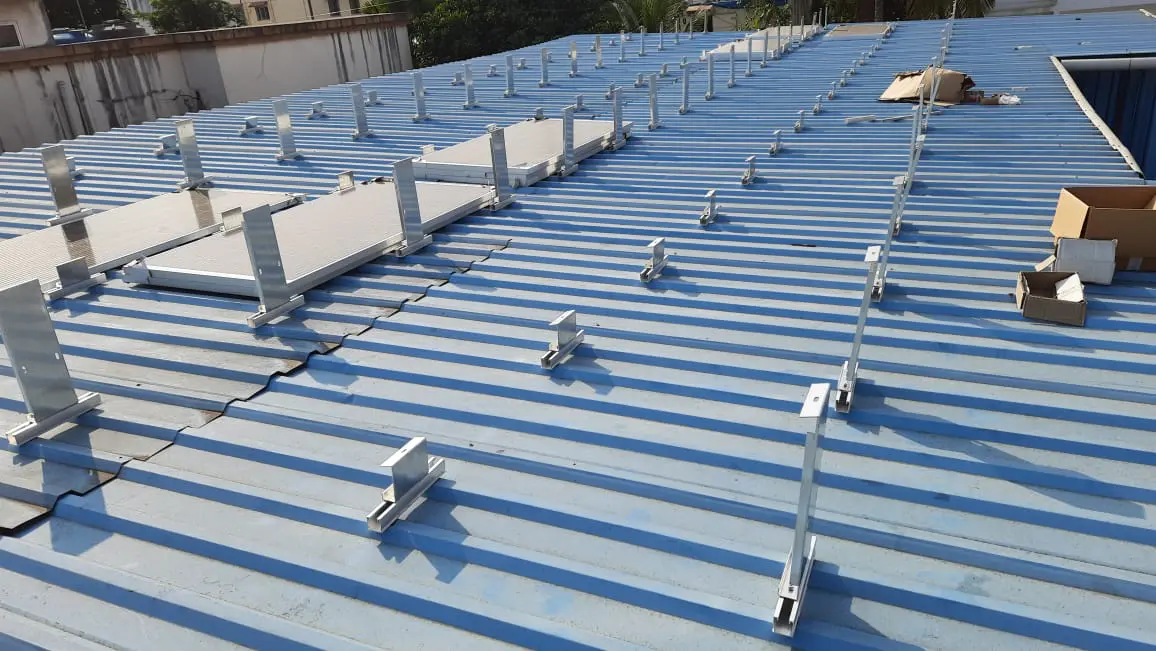
METAL PROFILE OR ASBESTOS SHEET ROOF TOP INSTALLATIONS
RCC ELEVATED SUPER STRUCTURE BASED INSTALLATION
RCC ROOF TOP DIRECT MOUNT TILTED GRID CONNECTED SOLAR PHOTOVOLTAIC POWER PLANT INSTALLATIONS
RCC ROOF TOP DIRECT MOUNT TILTED GRID CONNECTED SOLAR PHOTOVOLTAIC POWER PLANT HAS FOLLOWING MAJOR BENIFITES .
- UTILIZATION OF UNUSED ROOF TOP SPACE FOR POWER GENRATION.
- SAFE AND QUICK INSTALLATION.
- NO NEED TO PUT EXTRA INVESTMENT ON SECURITY SYSTEM.
- WE GET GOOD RADIANCE ON
- ROOF TOP COMPAER . ROOF TOP SOLAR POWER PLANT MAINTAINCE IS EASY
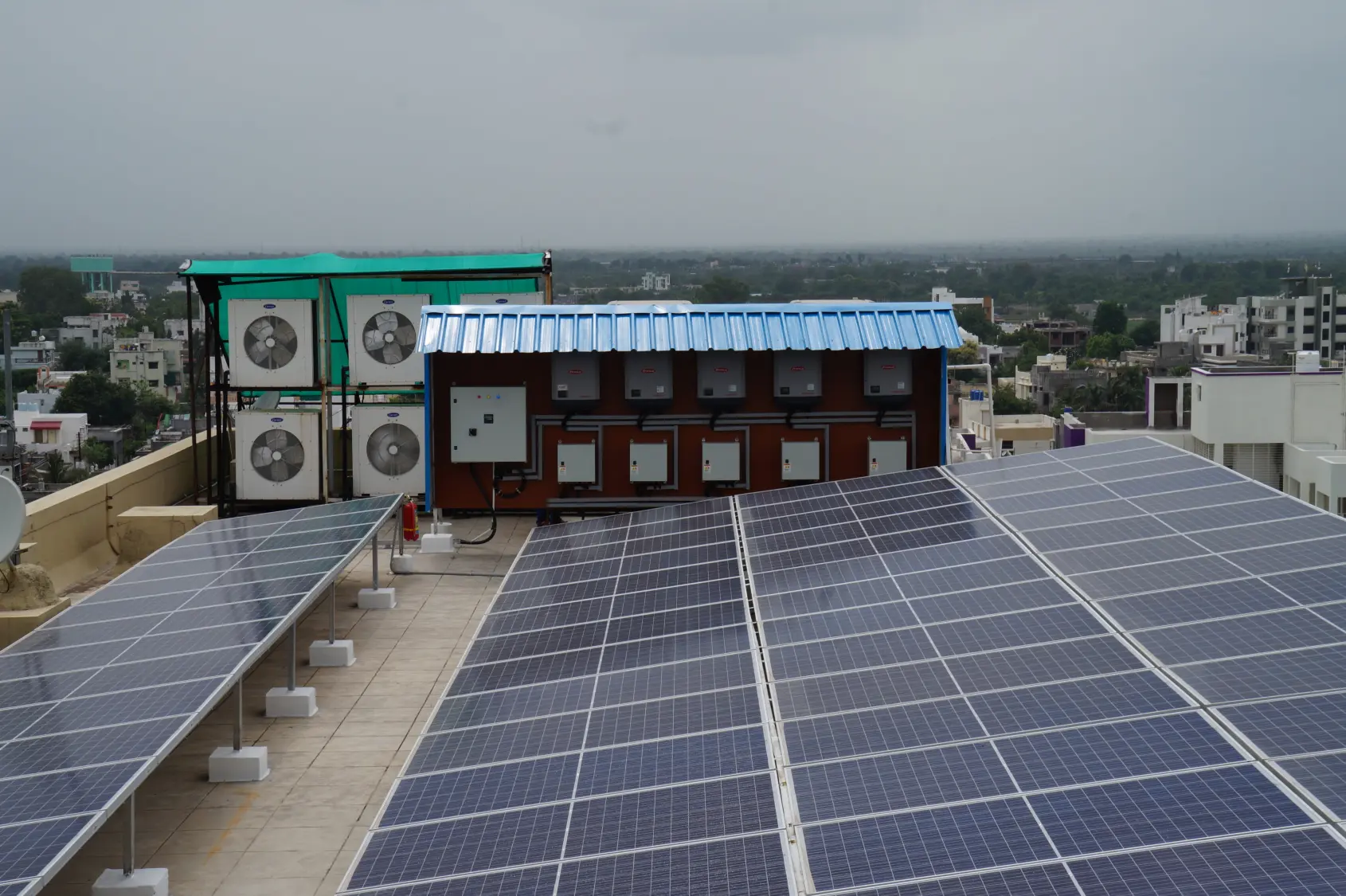
HDG SOLAR MODULAR STRUCTURE

HDG SOLAR MODULAR P V RCC ROOF TOP TILTED INSTALLATION
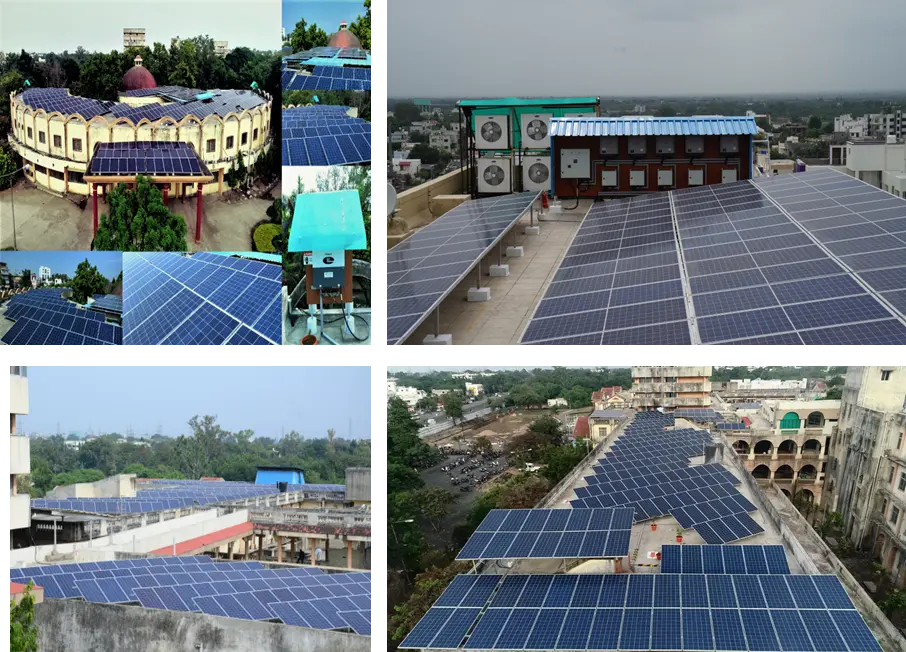
SUPER STRUCTURE ON RCC SLAB GRID CONNECTED SOLAR PHOTOVOLTAIC POWER PLANT INSTALLATIONS
FABRICATED SUPER STRUCTURE ON RCC ROOF TOP DIRECT MOUNT TILTED GRID CONNECTED SOLAR PHOTOVOLTAIC POWER PLANT HAS FOLLOWING MAJOR BENIFITES .
EXPENSIVE BUT SPACE BELOW THE POWER PLANT CAN BE USED.
MANY PREMISES RCC ROOF TOP WHICH ARE ALREADY OCCUPIED CAN ALSO BE DESIGN FOR SOLAR POWER PLANT WITH THIS PROVISION.
AMENITIES CAN BE PLANNED BELOW THE ELEVATED ROOF TOP INSTALLATION
NO NEED TO PUT EXTRA INVESTMENT ON SECURITY SYSTEM.
WE GET GOOD RADIANCE ON ROOF TOP COMPAER .
ROOF TOP SOLAR POWER PLANT MAINTAINCE IS EASY
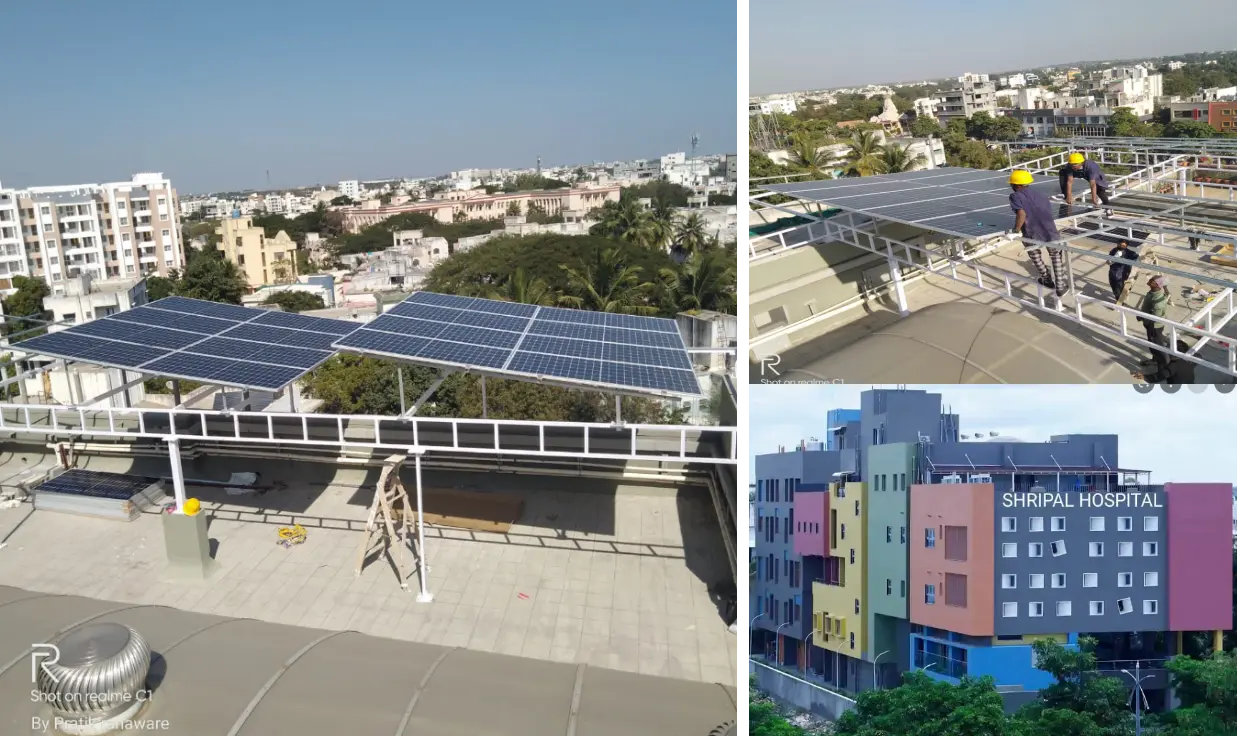
C FORMED HDG SOLAR MODULAR P V METAL ROOF TOP ELEVATED INSTALLATION
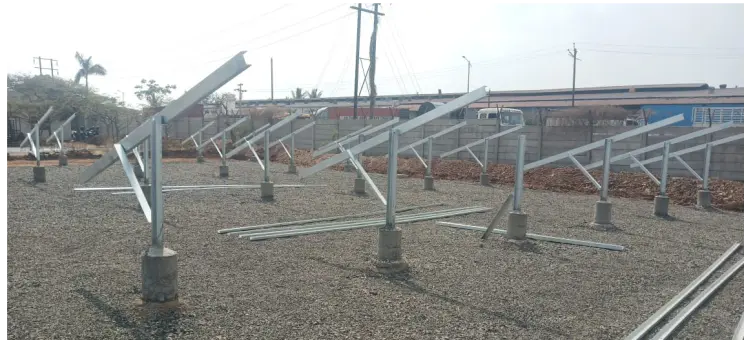
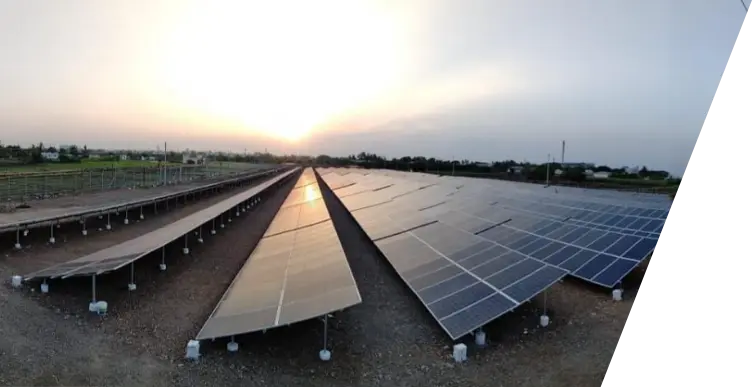
ground mount tilted solar modular Structure installation
A ground mount solar installation involves positioning solar panels on frameworks anchored to the ground, following a multi-step process that includes site assessment, design, site preparation, mounting the structure and panels, and finally, electrical wiring and testing before connection to the grid or battery system. These systems are adaptable to various terrains, allowing for optimal tilt and orientation to maximize energy generation, unlike rooftop systems.
1. Site Assessment & Design
- Site Assessment: Begin by evaluating the potential site for solar exposure, soil type, and any obstacles that could affect the installation.
- Design & Planning: Develop a detailed plan for the system, selecting the appropriate mounting structures and designing the panel layout for maximum solar capture.
2. Site Preparation Site
- Preparation: Clear and level the land to ensure stability and optimal sunlight exposure for the panels.
- Foundation Installation: Install the chosen anchoring system, which could be concrete piers, ground screws, or ballast blocks, depending on the soil conditions.
3.Installation
- Mounting Structure Assembly: Assemble the racking system, typically made from galvanized steel or aluminum, and securely anchor it to the foundation.
- Panel Mounting: Attach the solar panels to the racking system using specific clamps and fasteners, ensuring they are at the correct angle and orientation.
4. Electrical Wiring
- DC Cabling: Connect the panels together to form strings and run the DC (direct current) cabling to the inverter.
- Inverter & Grid Connection: Wire the DC cabling to the solar inverters to convert DC power to usable AC (alternating current) power, and then connect to the grid or a battery bank.
5. Commissioning & Testing
- Inspection & Testing: The system undergoes rigorous testing and inspection to ensure proper functioning, safety, and performance before the system is handed over.
Why Choose Ground Mount Systems?
- Maximizing Energy Output: Ground mounts can be optimally tilted and oriented to absorb maximum solar irradiation, often resulting in higher energy generation compared to rooftop systems.
- Adaptability: They can be installed on various terrains, including flat land and hillsides, making them versatile for different properties.
- Unrestricted Placement: Unlike rooftop systems, ground mounts are not limited by roof size or structure, allowing for ideal placement for maximum sunlight
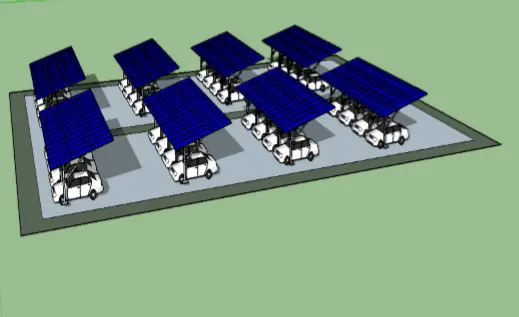
CAR PORT GROUND MOUNT TILTED ELEVATED STRUCTURE
PHOTOVOLTAIC POWER PLANT INSTALLATION
GROUND MOUNT TILTED GRID CONNECTED SOLAR PHOTOVOLTAIC POWER PLANT DRSIGNED ON CAR PORT
SPACE CONSTRAINTS IN MANY PREMISES
COMMERCIAL AND INDUSTRIAL PREMISES
CELEBRATION HALL, HOTELS, HOSPITALS ETC
EASY FOR MAINTENANCE GOOD LOOKING
GREAT SPACE UTILISATION
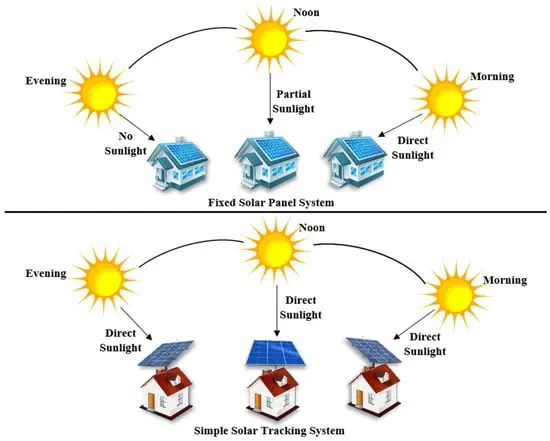
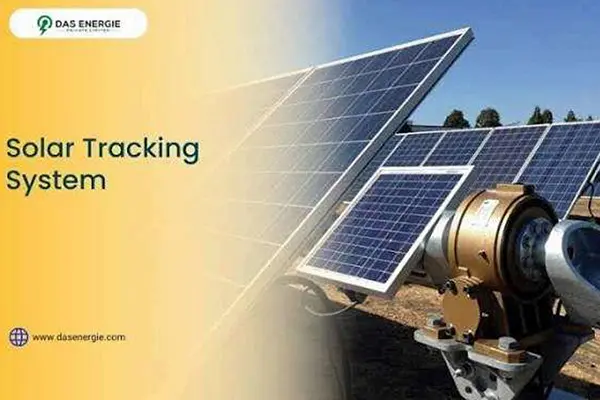
Automatic solar traking system
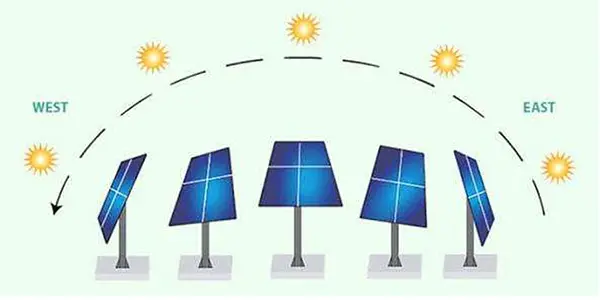
A solar tracking system is a device that automatically adjusts the position of solar panels to follow the sun’s path throughout the day. By keeping the panels perpendicular to the sun’s rays, trackers can maximize sunlight absorption and significantly increase energy production compared to fixed-angle solar installations
How a solar tracker works
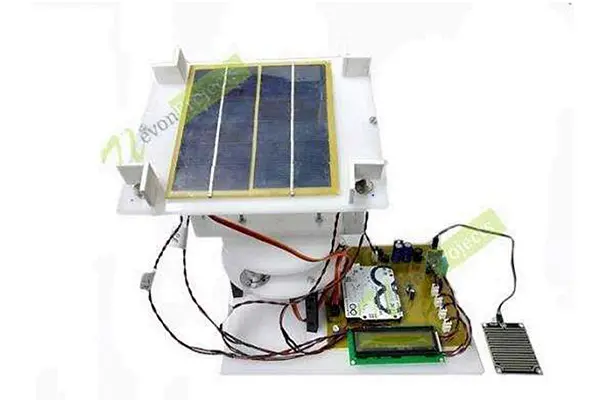
- A typical solar tracker system consists of three main components that work in tandem:
- Sensors : Light sensors, such as Light Dependent Resistors (LDRs), detect the sun’s direction and light intensity.
- Controller : A programmable logic controller (PLC) or microcontroller processes the data from the sensors to calculate the optimal panel position.
- Actuators : Electric motors or hydraulic cylinders physically move the solar panels to align them correctly based on the controller’s commands.
This process happens continuously from sunrise to sunset, with modern trackers also having features to protect the panels during bad weather by automatically moving them into a safe position.
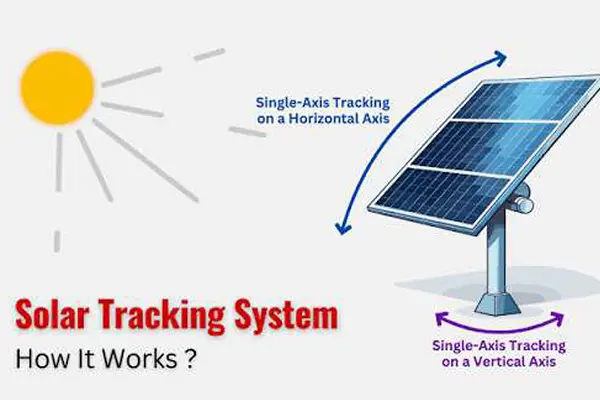
Types of solar trackers
Single-axis trackers
- These trackers move the panels along a single axis, typically following the sun’s east-to-west daily movement.
-
Efficiency : Increases energy production by 25–30% over fixed panels.
- Complexity : Simpler design with fewer moving parts than dual-axis systems, leading to lower maintenance costs.
- Cost-effectiveness : Offers a good balance of increased energy output and cost, making them a common choice for large-scale solar farms.
- Types of single-axis trackers :
- Horizontal (HSAT) : Rotates on a north-south aligned horizontal axis. This is the most common type for large-scale installations.
- Vertical (VSAT) : Rotates on a vertical axis and is best for high-latitude regions.
- Inclined (TSAT) : The rotational axis is tilted, and these are more complex.
-
Dual-axis trackers
-
More advanced than single-axis trackers, these move panels along both horizontal (east-west) and vertical (north-south) axes.
- Efficiency : Delivers the highest energy yield, with up to a 40–60% increase over fixed panels.
- Accuracy : Tracks the sun’s position throughout the entire year, adjusting for seasonal changes in the sun’s angle.
- Complexity:More complex and expensive with a shorter lifespan and higher maintenance requirements than single-axis trackers due to more moving parts.
Best for : High-latitude areas and commercial projects where maximizing energy output from limited space is crucial.
Passive vs. active trackers
-
Trackers are also categorized by their driving mechanism.
- Passive trackers : Use natural forces like the thermal expansion of a gas or liquid heated by the sun to move the panels. They are simpler and require no electricity to operate, but are less accurate.
- Active trackers : Use motors, sensors, and a control unit to automatically and precisely adjust the panels. These are used for most single and dual-axis systems.
Benefits of solar tracking
Higher energy yield:
Tracks can increase energy production by 25% to 60% compared to fixed panels.
More efficient land use:
By producing more energy per panel, trackers are ideal for installations with limited available space.
Increased peak hour performance:
Trackers capture more energy during morning and evening hours when fixed panels are less efficient.
Better financial returns:
The higher energy output and overall system efficiency can lead to a quicker return on investment for large-scale projects.

Limitations of solar tracking
Higher upfront cost :
Tracks can increase energy production by 25% to 60% compared to fixed panels.
Increased maintenance :
The motors, sensors, and moving parts require more frequent inspection and maintenance, leading to higher operational costs.
Weather vulnerability :
Complex moving parts are more susceptible to damage from extreme weather like high winds or heavy snow.
Not ideal for all installations :
The higher cost and complexity make trackers generally unsuitable for residential rooftop installations, where fixed panels are often the most cost-effective option
FLOATING AND CANALS DEIGNS AND INSTALLATUIONS
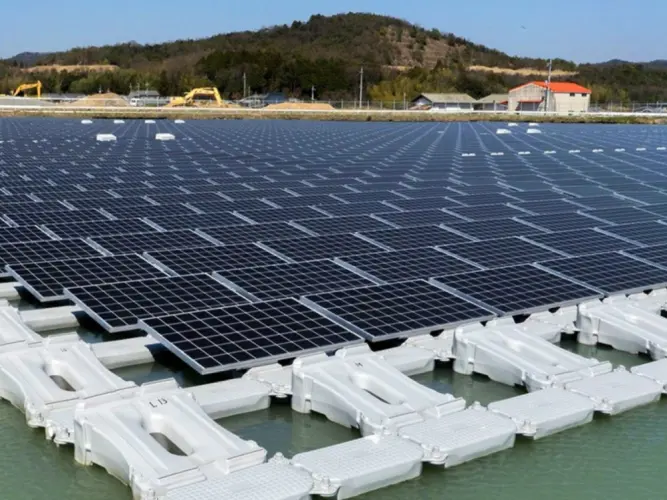
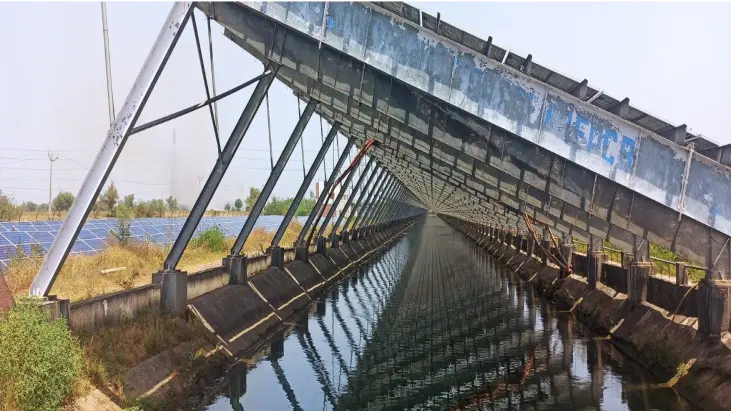
CANAL BASED AND FLOATING TYPE SOLAR PHOTOVOLTAIC POWER PLANT
PURELY GOVERNMENT INITIATIVE BEST PLANT PERFORMANCE AND GENERATION EVAPORATION OF WATER REDUCED AMAZING SPACE UTILISATION LOW MAINTENANCE HIGH SECUIRITY
BEST PLANT PERFORMANCE AND GENERATION
EVAPORATION OF WATER REDUCED
AMAZING SPACE UTILISATION
LOW MAINTENANCE
HIGH SECUIRITY

Quick Links
Works address
5th Floor 508 Office, S No 52, Baner Business Bay, Pashan - Sus Rd, Pune Banglore Highway Pashan Exit, behind Audi, off Mumbai, Mohan Nagar Co-Op Society, Baner, Pune, Maharashtra 411045
Phone
Sales
+917219005592
O&M
+917219005549
info@renewxpert.com

