Operation & Maintenance Services
Operation and Maintenance Services to
-
Preventive solar power plant maintenance
-
Comprehensive solar power plant maintenance
-
Solar power plant AMC (Annual Maintenance Contract)
-
Rehabilitation of a solar power plant
-
Repairing a solar power plant
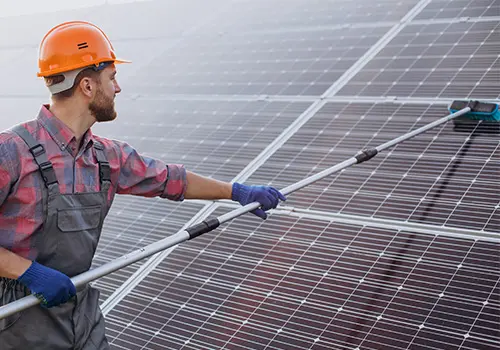

Module cleaning and Scheduling

Operational SOPs and PV Module Cleaning SOPs

Maintenance Check list

Schedules

Unit Generation Monitoring and Analysis

Corrective and Preventive Maintenance Scheduling

Trainings

Spares and Storage
Preventive Maintenance (PM)
A preventive solar power plant maintenance checklist includes regular cleaning of panels, visual inspections for damage, and checks of electrical components like wiring, inverters, and combiner boxes. It’s also crucial to monitor system performance, inspect mounting structures, check grounding systems, and keep detailed maintenance logs to ensure optimal and safe operation.
Panel cleaning
Regularly clean panels to remove dust, dirt, and bird droppings using soft cloths and water. Avoid abrasive materials.
Visual inspection:
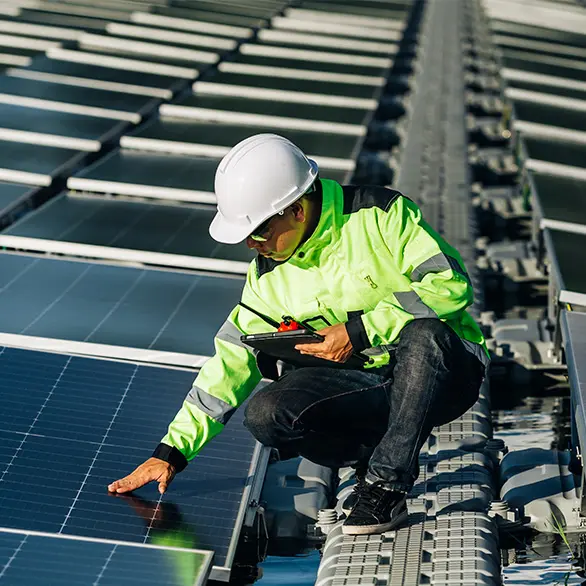
Look for cracks, signs of delamination, discoloration, or moisture in the panels.
Mounting structure:
Check for proper alignment, rust, and any cracks or structural damage to the mounting system.
Shading:
Ensure no new shading obstructions have appeared, such as tree growth.
Electrical and system check
Wiring and connections:
Inspect all wiring for damaged insulation or corrosion. Ensure connections are tight in the solar array, combiner boxes, and to the inverter.
Inverter:
Check for error codes, ensure the cooling fan is working properly, and clean air vents and filters.
Combiner box:
Visually inspect for signs of overheating or damage. Check that all fuses and breakers are in good condition and working properly.
Grounding:
Verify that the system’s grounding and bonding are secure and not damaged.
Batteries (if applicable):
Perform load tests, check for electrolyte leaks or corrosion on terminals, and inspect the battery enclosure.
Performance monitoring and record-keeping
Performance monitoring:
Track energy output and compare it to expected generation rates to identify any loss in efficiency.
Logbook:
Maintain a detailed log of all inspections, maintenance activities, and repairs. This helps in tracking trends and scheduling future maintenance.
Professional checkup:
Schedule a professional inspection at least once a year for a more thorough assessment

Condition-Based Monitoring (CBM)
Monitoring of equipment condition and plant operations on a real-time basis and addresses a potential problem at a very
Early stage to prevent downtime. This requires a robust plant performance monitoring system and Active Monitoring (Inverter Level).

Corrective Maintenance (CM) or Breakdown Maintenance (BM)
Repair of broken down equipment and is usually reactive.

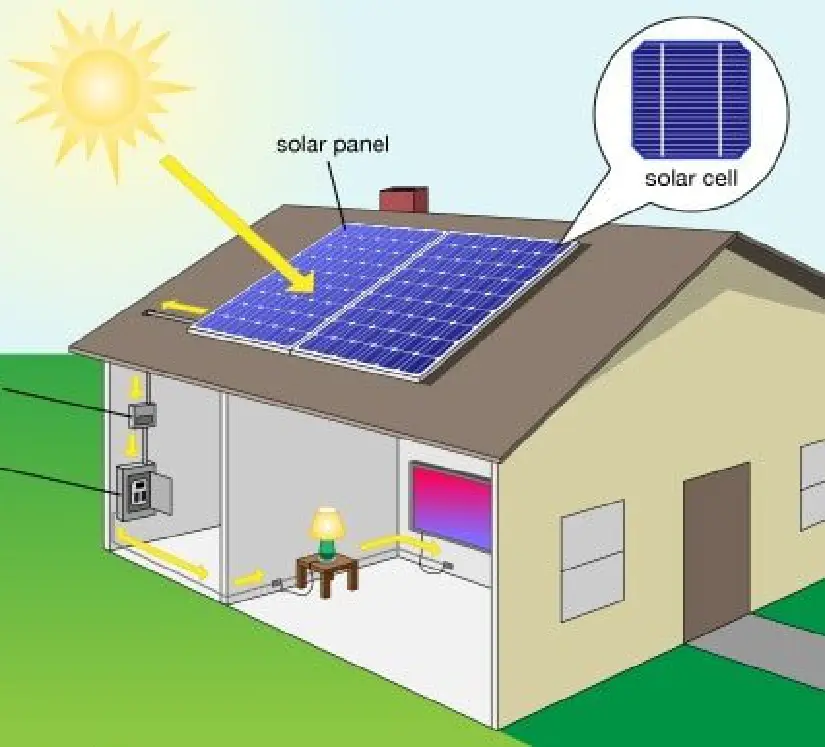
Solar Panels (PV Modules)
Capture sunlight and generate electricity.

Inverter
Converts DC electricity to AC electricity.

Mounting System
Secures the panels to the roof.

Batteries (for off-grid systems)
Store excess electricity.

Charge Controller (for off-grid systems)
Regulates the power flow to and from the batteries.
How it Works
- Sunlight Absorption : Solar panels are made of semiconductor materials that capture sunlight.
- Electricity Generation: When sunlight hits the panels, it generates direct current (DC) electricity.
- Inversion: A solar inverter then converts this DC electricity into alternating current (AC) electricity, which is the type used in homes.
- Power Usage/Storage : On-Grid Systems: The electricity is used in the home, with any excess power supplied to the public grid, potentially earning the homeowner credits via net metering.
- Off-Grid Systems: Excess power is stored in batteries for use at night or during cloudy days, allowing the system to function independently of the grid
Government Subsidies
Schemes like the PM Surya Ghar Muft Bijli Yojana offer subsidies to households, reducing the initial installation costs.
Comprehensive solar power plant maintenance
Track performance:
Continuously monitor energy output and inverter status using built-in systems or dedicated software.
Maintain records:
Cleaning and upkeep
Maintain records:
Cleaning and upkeep
Clean panels:
Clean solar panels regularly (at least twice a year, or more in dusty areas) to ensure maximum sunlight absorption. Use only water and a soft tool; avoid harsh chemicals that can cause damage.
Manage vegetation:
Electrical and structural inspections
Inspect electrical components:
Routinely check all electrical connections, including wiring, junction boxes, and combiner boxes, for tightness and signs of corrosion or wear.
Check inverters:
Monitor inverter performance, inspect for dust or debris inside the cabinet, and perform general functional checks.
Verify mounting systems:
Inspect the mounting system for any signs of damage, cracks, or loose bolts.
involves monitoring system performance, performing regular cleaning of panels, and conducting periodic inspections and electrical checks. Key tasks include visual inspections for damage, cleaning panels to remove dirt and debris, and checking electrical connections, inverters, and mounting systems. Annual professional inspections and proactive corrective actions for any faults are also essential.
Monitoring and performance
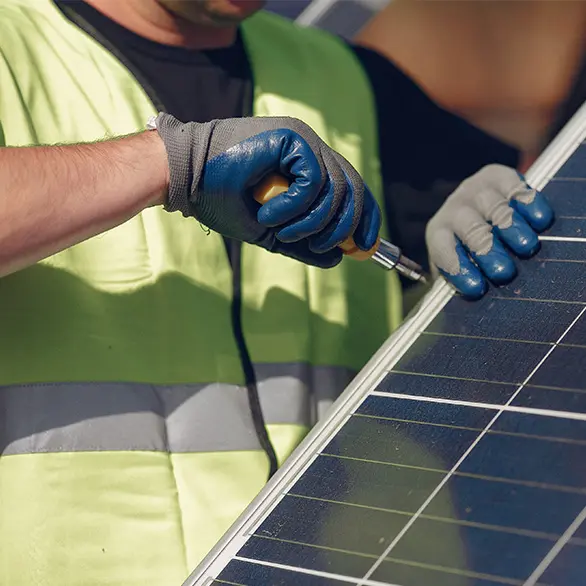
Act on faults:
Address any detected issues promptly, as this reduces downtime and improves efficiency.
Professional checks:
Schedule professional inspections at least annually to perform in-depth checks, such as insulation resistance measurements and other specific tests.
Scheduled maintenance:
Implement a proactive maintenance schedule to address potential problems before they cause failure.
Follow warranty guidelines:
Adhere to all servicing and warranty guidelines for equipment to maximize the lifespan of the components
A solar power plant AMC (Annual Maintenance Contract)
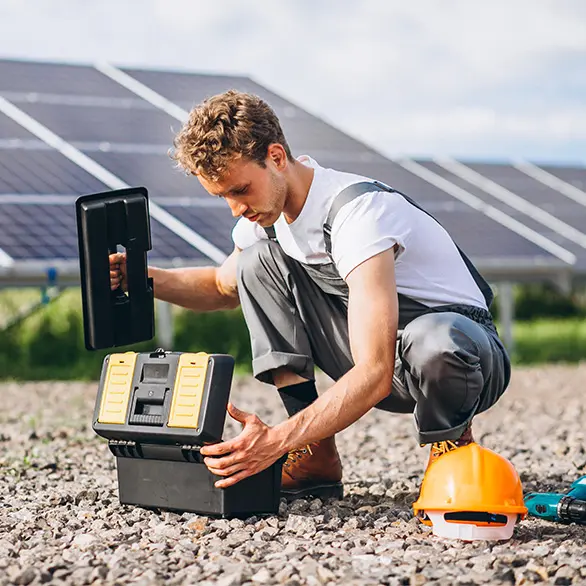
is a service agreement for regular upkeep of a solar energy system. It involves periodic cleaning of panels, inspection of components like inverters and mounting structures, performance monitoring, and preventive measures to ensure the plant runs efficiently and maintains its energy output. An AMC helps maximize energy production, prolong the system’s lifespan, and minimize unexpected repair costs.
Key components of a solar power plant AMC
Panel cleaning:
Regular washing with soft water and cloths to remove dust and grime that can block sunlight.
Performance monitoring:
Using data loggers and software to track energy production and identify any underperformance.
Inspections:
Visual checks
Looking for physical defects like cracks, delamination, or discoloration on panels.
Structural checks:
Examining the mounting frames for stability and rust-free bolts.
Electrical checks:
Inspecting junction boxes for loose wires or signs of rodent damage and checking inverters for dust accumulation.
Repairs:
Addressing any defects found during inspections, such as replacing faulty modules.
Preventive maintenance:
Benefits of an AMC
Maintains optimal performance
Ensures the system operates at its peak efficiency.
Extends system lifespan
Regular maintenance prolongs the life of your investment.
Maximizes return on investment
Higher efficiency translates to greater energy production and savings.
Provides peace of mind
Implement a proactive maintenance schedule to address potential problems before they cause failure.
Follow warranty guidelines:
Reduces the risk of unexpected and costly repairs Repairing a solar power plant involves diagnosing issues like component failure, which can be fixed by replacing parts, while re-installation requires a full process of removing old equipment, potentially upgrading to new technology, and then re-installing everything from the mounting structure to the wiring and inverter. It is recommended to hire a certified professional for both repairs and re-installation due to the complexity and potential safety hazards involved.
Rehabilitation of a solar power plant
Key aspects of solar plant rehabilitation
Key aspects of solar plant rehabilitation
Repowering
This is the process of replacing outdated components, such as solar modules and inverters, with new, advanced technology.
Benefits
Boosts energy yield, improves reliability, and can increase the plant’s original capacity.
Economic viability:
It becomes more attractive as new modules become cheaper and more efficient.
Total repowering
Involves a comprehensive replacement of most major components, including modules, inverters, and mounting structures.

Revamping
This refers to measures taken to modernize and optimize a solar plant’s performance.
Benefits
Extends the plant’s life, increases efficiency and energy output, and mitigates the risks associated with obsolete equipment.
Modernization
Enables technical updates and replacements, often at a lower cost compared to a complete rebuild.
Maintenance and repair
Inspections
Includes detailed inspections of components like piles, combiner boxes, racking, and wiring.
Addressing issues
Focuses on correcting problems like pile heave caused by frost or wear and tear on connections.
Process considerations
Comprehensive overhaul
A full refurbishment can be an involved process, requiring the replacement of obsolete equipment and sometimes a complete overhaul of the plant’s layout.
Site improvements
May involve site-specific tasks like clearing vegetation and improving ground cover and stormwater runoff systems.
Recycling
When to consider rehabilitation
When the plant’s performance has degraded significantly over time.
When new technology offers substantially higher performance and efficiency.
When the cost of repairs or obsolescence makes the plant less profitable
Repairing a solar power plant
Diagnosis
A professional will first diagnose the problem. This could be a faulty panel, inverter, wiring, or mounting structure.
Corrective maintenance
This involves fixing or replacing specific components. For example, if an inverter is broken, it will be replaced. It is often more cost-effective to replace a failed module rather than repair it, especially with newer, more efficient technologies available.
Preventive maintenance
To prevent issues, regular maintenance is crucial and includes activities like cleaning panels, checking wiring and mounting structures, and inspecting batteries.
Cost:
Repair costs can vary significantly depending on the extent of the damage, from a few thousand rupees for minor fixes to tens of thousands for major component replacements.
Key considerations
Safety:
Working with electrical systems and on rooftops carries risks. It’s crucial to use professionals who follow safety guidelines.
Cost:
Re-installation can be costly, depending on the size and complexity of the system. It is important to get detailed quotes.
Time:
Re-installation can take several days, depending on the size of the plant, condition of the existing hardware, and weather conditions.
Regulations:
Depending on the area, you may need to get approvals from the local electricity distribution company before starting any work.
Re-installing a solar power plant
Site assessment and design:
A professional will conduct a site survey to assess the roof or land, considering factors like orientation, size, and capacity. They will design a new system based on power requirements and available space.
Component removal:
The old equipment is carefully removed, which may include the panels, inverter, and mounting structure. This process needs to be done by experienced technicians to avoid damage or injury.
Installation:
A new system is then installed. This involves:
- Installing the new mounting structure on the roof or ground.
- Securing the new solar panels to the structure.
- Wiring the panels together and connecting them to the inverter.
-
Installing the inverter in a safe and convenient location and connecting it to the electrical panel and grid.
Testing and commissioning:
The system is then tested to ensure it is operating correctly and safely before being officially commissioned.
Repowering :
In some cases, re-installation might be a “repowering” project, where the entire system is upgraded with newer, more efficient technology, which could include replacing modules, inverters, and other components to increase the plant’s capacity

Quick Links
Works address
5th Floor 508 Office, S No 52, Baner Business Bay, Pashan - Sus Rd, Pune Banglore Highway Pashan Exit, behind Audi, off Mumbai, Mohan Nagar Co-Op Society, Baner, Pune, Maharashtra 411045
Phone
Sales
+917219005592
O&M
+917219005549
info@renewxpert.com

